What causes dark circles under your eyes?
There isn’t one answer—or one cream that can address every cause. Under-eye darkness can come from pigment, visible blood vessels, or shadows cast by puffiness and hollows. Several factors can overlap.
- Family traits and aging. Dark circles can run in families. As skin changes with age, the under-eye area can look thinner or more hollow, making vessels and shadows more noticeable.
- Tired nights. Not getting enough sleep may make existing circles look more noticeable, but dark circles don’t always mean you need more sleep.
- Allergies, irritation, and rubbing. Allergies and conditions such as eczema or contact dermatitis can contribute. Rubbing or scratching delicate skin can make matters worse.
- Sun exposure and pigment changes. Sun exposure can increase pigment in the skin. This is different from a shadow caused by a hollow.
- Dehydration. Dehydration may contribute to a sunken-looking under-eye area, but it is only one possible factor—not an explanation for every dark circle.
Sources: Cleveland Clinic and Mayo Clinic, linked below.
A gentle under-eye care routine
- Be gentle with your skin. Avoid rubbing or scratching. If you have persistent itching, allergies, or irritation, ask a healthcare professional about the cause rather than adding more skincare.
- Make room for rest. Adequate sleep may make circles less noticeable. Raising your head slightly while sleeping may help puffiness caused by fluid pooling.
- Try a cool, damp cloth. A cool compress may temporarily improve the appearance of circles when visible vessels contribute. It isn’t a permanent fix for pigment or hollows.
- Protect your skin from the sun. The American Academy of Dermatology recommends broad-spectrum SPF 30 or higher. Follow the sunscreen’s directions and avoid getting it in your eyes.
- Keep expectations realistic. Gentle moisturizing care can support dry skin. It does not change inherited traits or replace treatment for allergies, pigment concerns, or structural hollows.
Where does WES eye cream fit in?
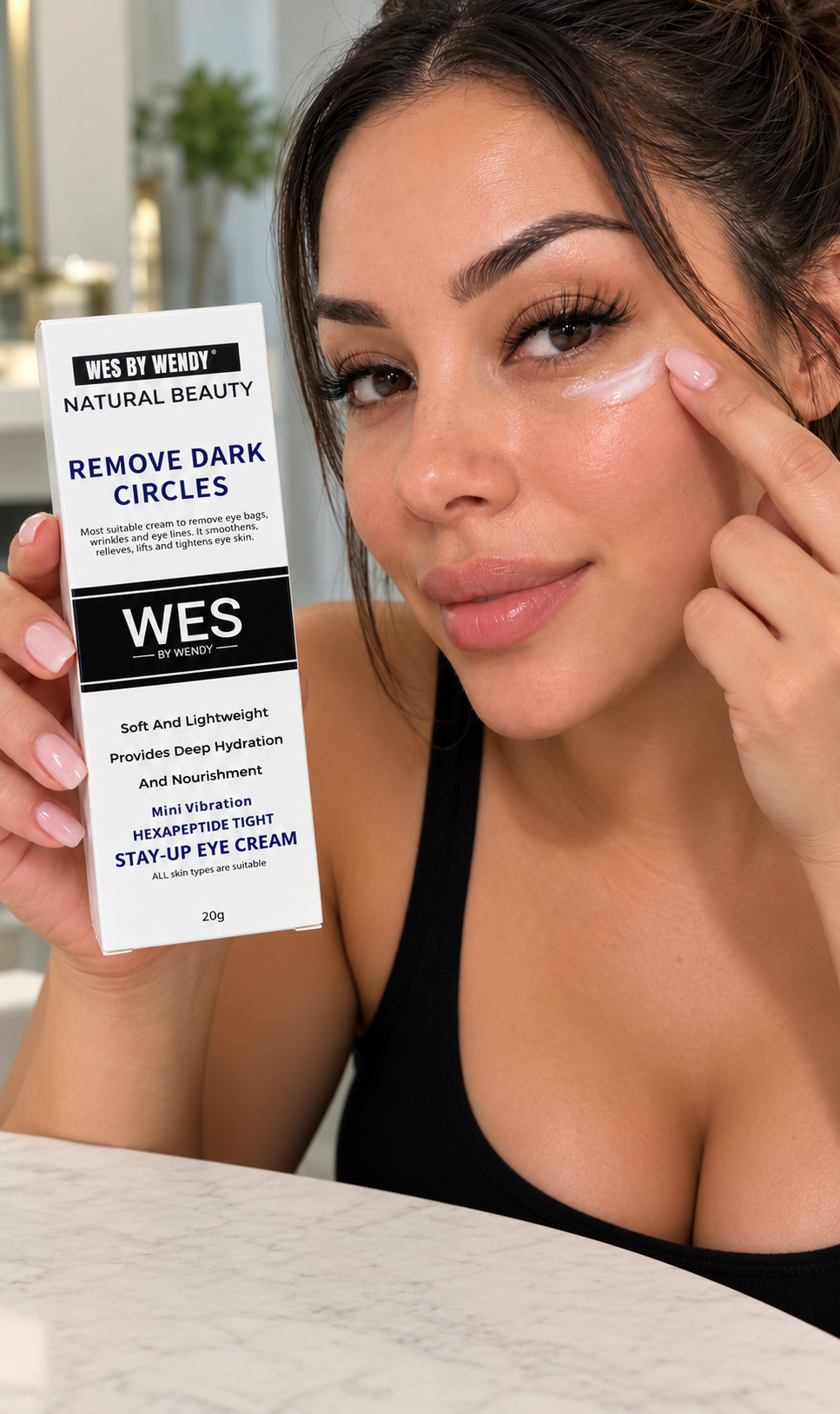
WES Dark Circle Remover is designed as cosmetic skincare to help hydrate, smooth, and refresh the appearance of the delicate under-eye area. Think of it as part of your self-care routine—not a promise to erase every kind of dark circle.
Hydration can help dryness-related fine lines look less noticeable. It is not the same as treating pigmentation, inherited circles, or hollows. Individual results vary, and persistent concerns deserve advice tailored to your skin.
Explore the highlighted ingredients and product details before deciding what belongs in your routine.
Explore WES eye creamWhen should you get professional advice?
Contact a healthcare professional if discoloration and swelling under just one eye worsen over time. Under-eye swelling with vision problems, irritation, headaches, or a skin rash also deserves medical advice.
If your circles are persistent or bother you, a dermatologist can help identify the cause and discuss appropriate options. You deserve care that fits your skin—and you don’t have to figure it all out alone.
Sources & further reading
- Cleveland Clinic: Dark circles under eyes
- Mayo Clinic: Causes of dark circles
- Mayo Clinic: Self-care and when to see a doctor
- American Academy of Dermatology: How to apply sunscreen
- Mayo Clinic: Under-eye swelling and warning signs
This guide shares general educational information, not a diagnosis or personalized treatment recommendation. The sources above inform the general care advice; they do not endorse WES products.